
Best-practice regenerative farming fosters symbiotic relationships between fauna and flora, creating sustainable ecosystems that mimic nature. In our last blog, we introduced Zestiny’s domesticated animals—our chickens, pig, alpaca’s and bees. Today, we’re celebrating the wild fauna that complete our farm ecosystem: the mammals, birds, reptiles, insects, and soil dwellers who—for better or worse—are integral to what we grow.
Mammals: The Good, the Bad, and the Egg Thieves
Australian farming comes with its fair share of introduced species. Foxes raid our chicken coops. Rabbits devour our leafy greens. Feral cats hunt indiscriminately. While we can’t claim the emu and kangaroo from Australia’s coat of arms, we can boast platypus sightings in one of our dams—shy, elusive, and captured on video only twice.
Possums break into our greenhouse to nibble seedling tops. Flying foxes descend when the figs ripen. These aren’t pests in the traditional sense—they’re reminders that regenerative farming means coexisting with the wild, even when it’s inconvenient.
Birdlife: The Return of the Wedgetail
One of the clearest signals that our spray-free, regenerative approach is working? The birds have come back.
When we first purchased the farm, bird activity was sparse. Now, wedge-tailed eagles—wingspans exceeding two metres—soar overhead, scanning for prey. Black cockatoos feast on our pine trees, their mournful calls echoing across the valley. Local lore suggests they keep away the destructive white cockatoos and galahs, which (touch wood) have only raided our crops once—systematically taking one bite from row after row of lemons before tossing them to the ground.
The waterbirds on our dams bring bursts of colour, and nothing rivals the charm of swamp hen chicks trailing their mothers along the creek each spring. But the most beneficial birds for vegetable farming are the finches. They’ve returned with a vengeance, and their appetite for insects is our first line of defence against pest outbreaks.
Reptiles: The Pest Control Team
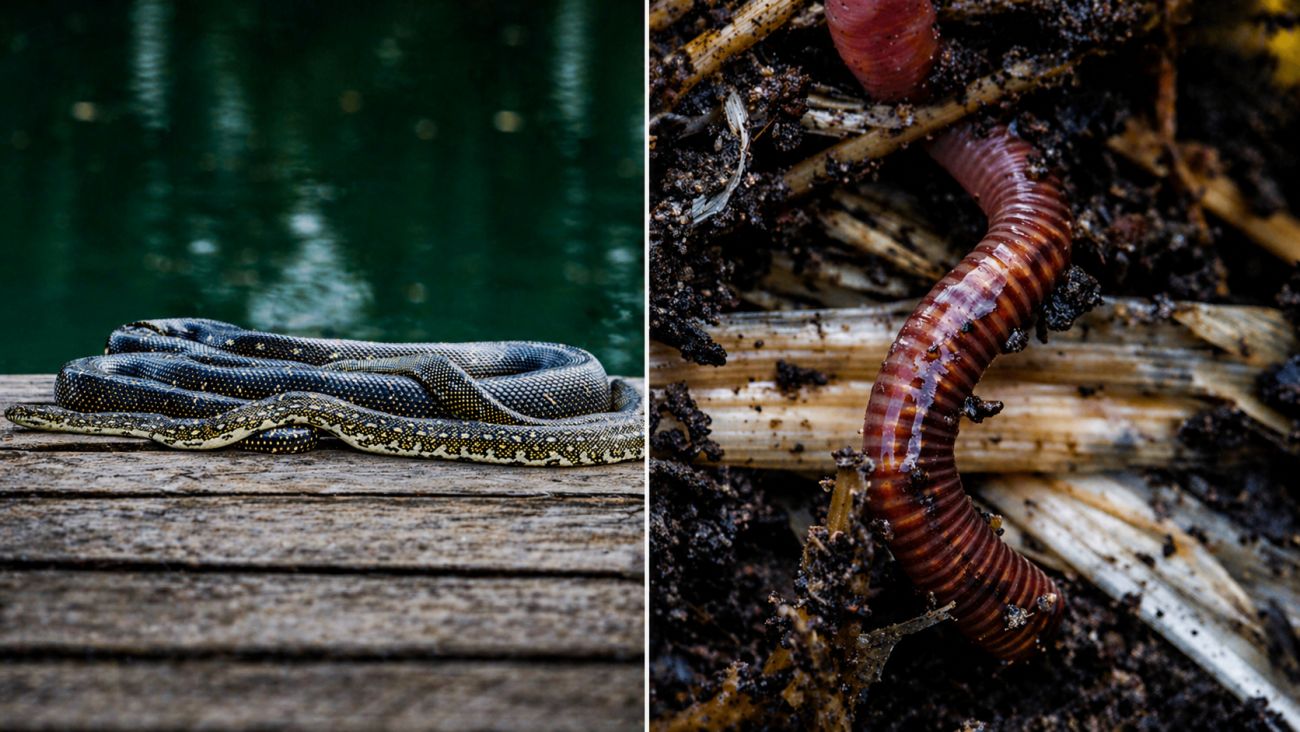
Water dragons bask on rocks. Blue-tongue lizards patrol the greenhouse perimeter. Red-bellied black snakes hunt through the underbrush. Our favourite, though, is the resident carpet python who loves sunbathing on the dam deck. Between the python and the red-bellies, we’ve got remarkably few rodent issues compared to neighbouring farms—free pest control, courtesy of cold-blooded efficiency.
Insects: The Biological Battlefield
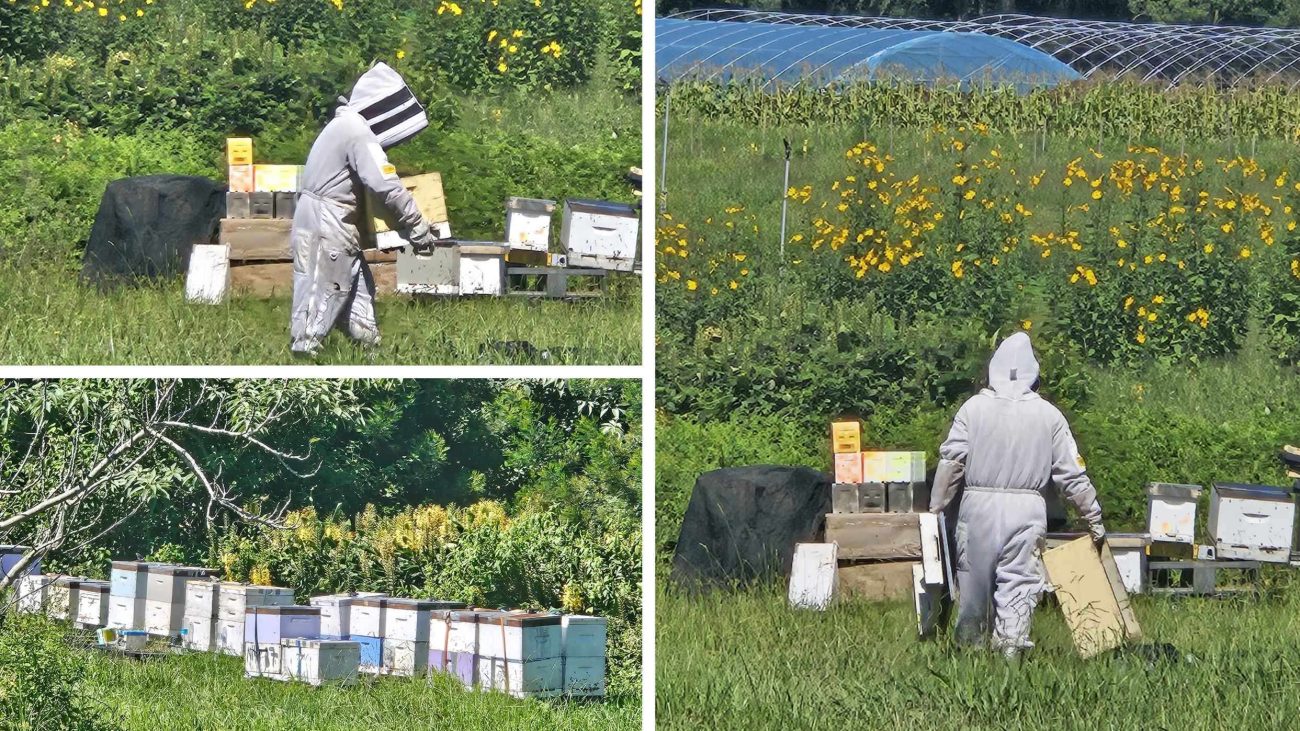
While we count our managed hives as domestic fauna, the native bees, wasps, moths, and butterflies play an equally vital role. When the varroa mite cull devastated our honeybee population, native pollinators kept us producing.
Of course, not all insects are allies. Flies, mealybugs, nematodes—each one a headache. Organic insecticides don’t work as well as we’d hope, which is precisely why many farmers refuse to go organic. Our saving grace? Ladybugs, whose favourite meal happens to be aphids.
Beyond that, we’ve entered a new frontier: biological warfare. We’re experimenting with releasing beneficial insects to control invasive ones—nature’s way of restoring balance when we’ve lost it.
Worms: The Foundation Builders
We run three worm farms to process discarded scraps and produce invaluable castings, which we brew into worm tea. But the best sight? Seeing earthworms proliferating in our fields.
Their numbers have grown steadily since we started spraying worm tea (full of eggs) and discontinued rotary hoeing, which turns soil to dust and destroys worm habitat. During the current global fertiliser crisis, being self-sufficient in fertiliser has been a lifesaver. Worms are our underground allies—silent, tireless, essential.
Ecosystem Thinking: It Takes a Village
If it takes a village to raise a child, it takes an ecosystem of large and small living organisms to produce healthy, beautiful-tasting food.
Even the species we curse—the foxes, the possums, the crop-raiding cockatoos—play a role in the web of life we’re trying to restore. Regenerative farming isn’t about controlling nature. It’s about working with it, recognising that harmony emerges from complexity, not simplicity.
Every bird call, every worm casting, every python basking on a dam is evidence that we’re moving in the right direction: toward a farm that doesn’t just produce—it thrives.