

On the surface, an article about the humble zucchini doesn’t exactly scream glory. It lacks the
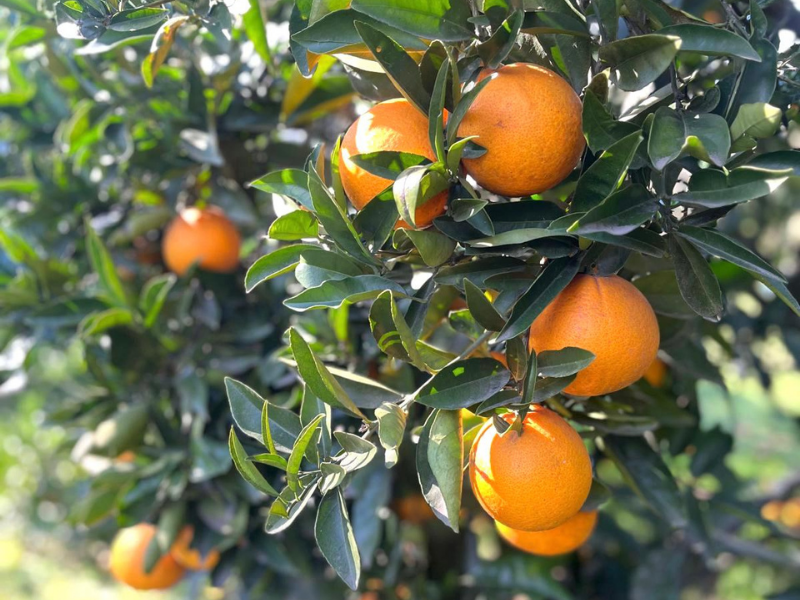
romance of lemons glowing in the orchard, strawberries blushing in neat rows, or garlic curing in
braids. But reputations can be misleading — and zucchini deserves its moment in the sunlight.
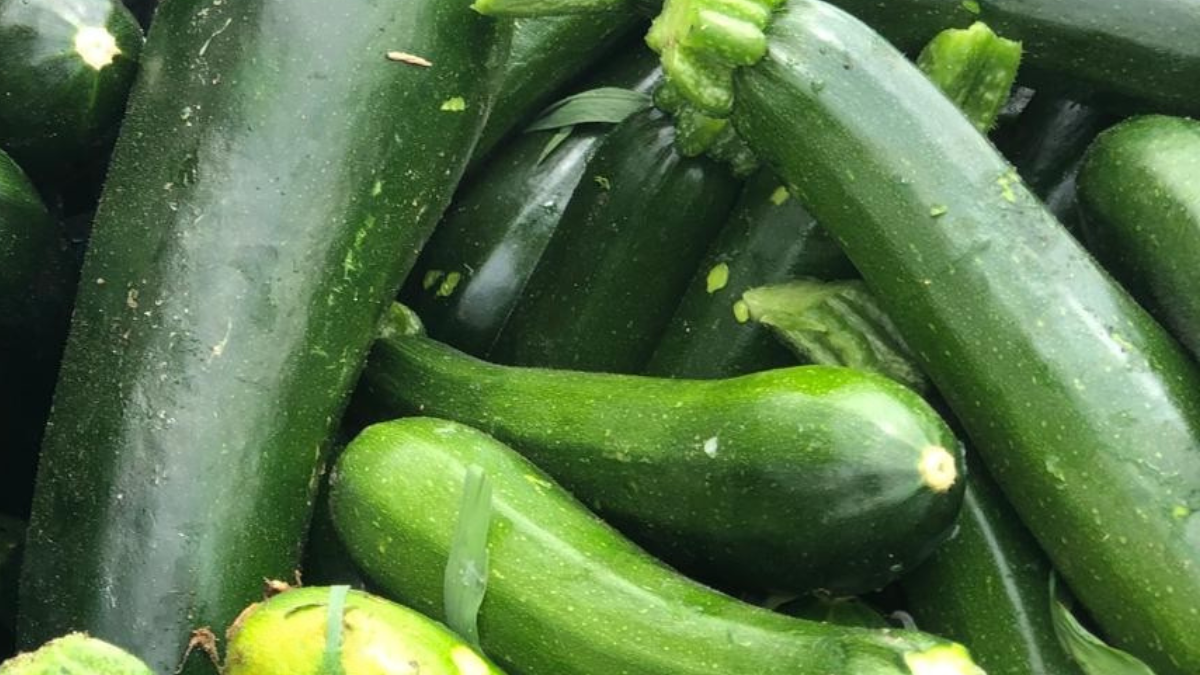
It’s peak zucchini season at Zestiny, and watching the harvest roll in is deeply satisfying. That said,
after four years of growing them here, I’ll admit: it’s been a love–hate relationship.
The first thing to know is that zucchini absolutely love our soil and climate. If there were ever an
apocalypse, zucchini would be my go-to survival crop. They germinate in just seven days, are ready
to harvest in six weeks, and once they start producing, they don’t hold back — 10 to 20 fruit per
plant over three months is common.
Nutritionally, they punch well above their weight. Often considered an underrated “secret
superfood,” zucchini are low in calories (about 30 per medium fruit) yet rich in fibre, potassium,
manganese, and vitamins A, C, and B6 — supporting immune function, heart health, and digestion.
As a grower, their speed is a gift. They outpace weeds. They establish quickly. They produce
generously.
So why doesn’t every farmer grow them?
Because the maths can be brutal.
Once harvest begins, it becomes relentless — every day and a half, like clockwork. Miss a picking and
they grow two inches overnight, turning from perfect market specimens into oversized marrows
before you’ve had your morning coffee. Slip once and suddenly you’re holding produce that’s
unsellable.
Then comes the post-harvest choreography: washing, sorting into near-identical sizes, and packing
neatly into boxes. It’s exacting work. There are days when you genuinely dream in zucchini.
And the costs don’t end there. Boxes. Transport. Market agent commissions (often 15%). Before we
were certified organic, it was heartbreaking to receive $15–$20 per box — sometimes as low as $8
— when it cost around $19 to grow, pack, and deliver them. In the lucky weeks, you might make a
dollar. In the unlucky ones, you’re left deciding whether to gamble on the market improving or pull
out the patch entirely.
A few years ago, we naïvely tried a third option — let them grow. They became the largest marrows
you’ve ever seen (as long as a baseball bat and twice as thick). It felt amusing at the time… until they
rotted and dropped their seeds in the soil. Years later, we still find zucchini self-seeding through
other vegetable beds like post-apocalyptic triffids.
But here’s where the story shifts.
Since becoming certified organic, while it costs more to grow them well and manage disease
pressure naturally, we can command nearly double the revenue. Organic zucchini are in strong
demand. The economics finally make sense.
And so, after years of tension, I’m pleased to say: Zucchini are here to stay.
Sometimes the quiet achievers just need the right system to shine.